
From the Courtroom to the Boardroom
Michael Teys spent 40 years inside an industry built on commissions — and built the alternative. Founder of The Strata Professionals Australia. Creator of the Balanced Strata Method™. Lawyer, researcher, and one of Australia's most straight-talking advocate for strata reform.
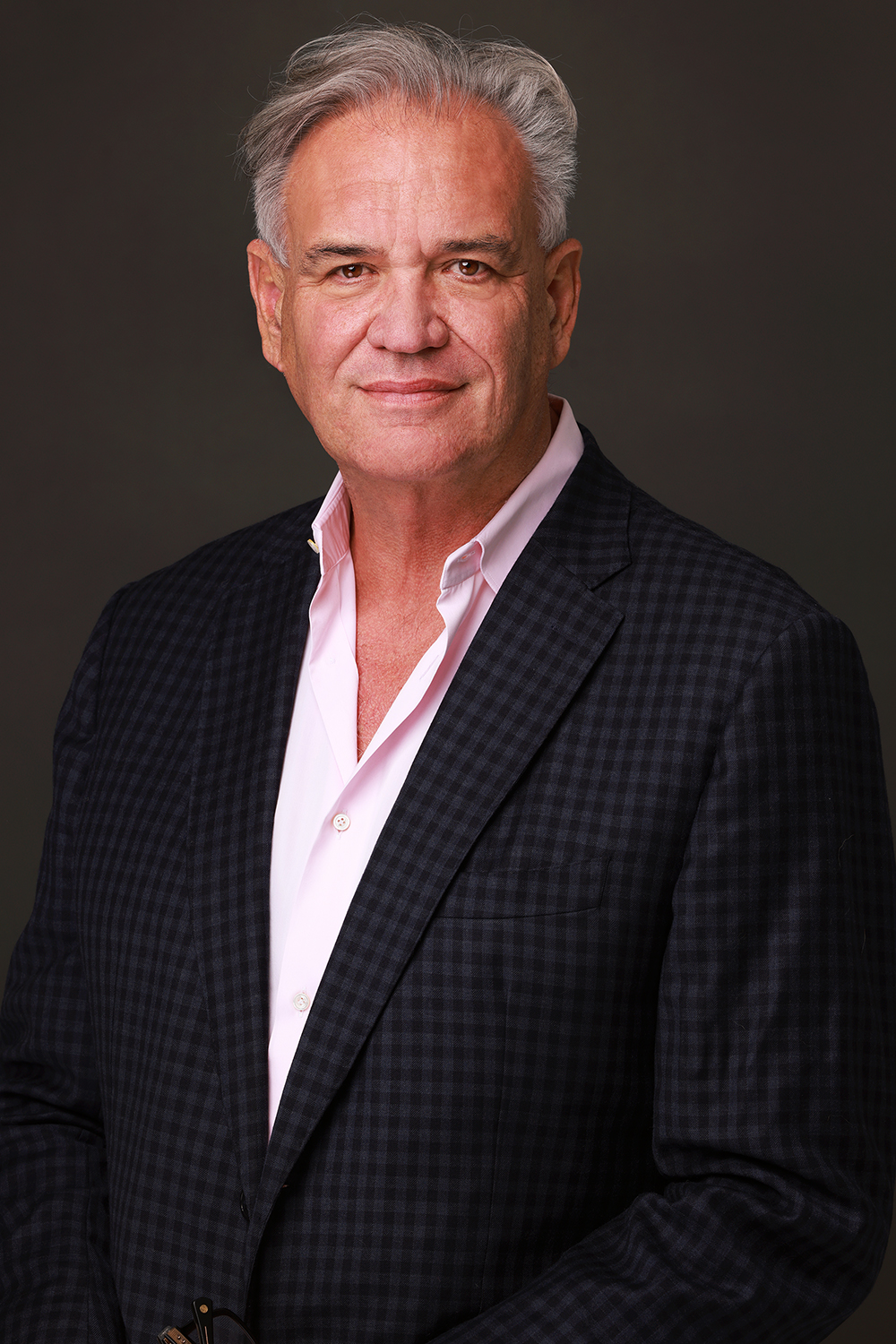

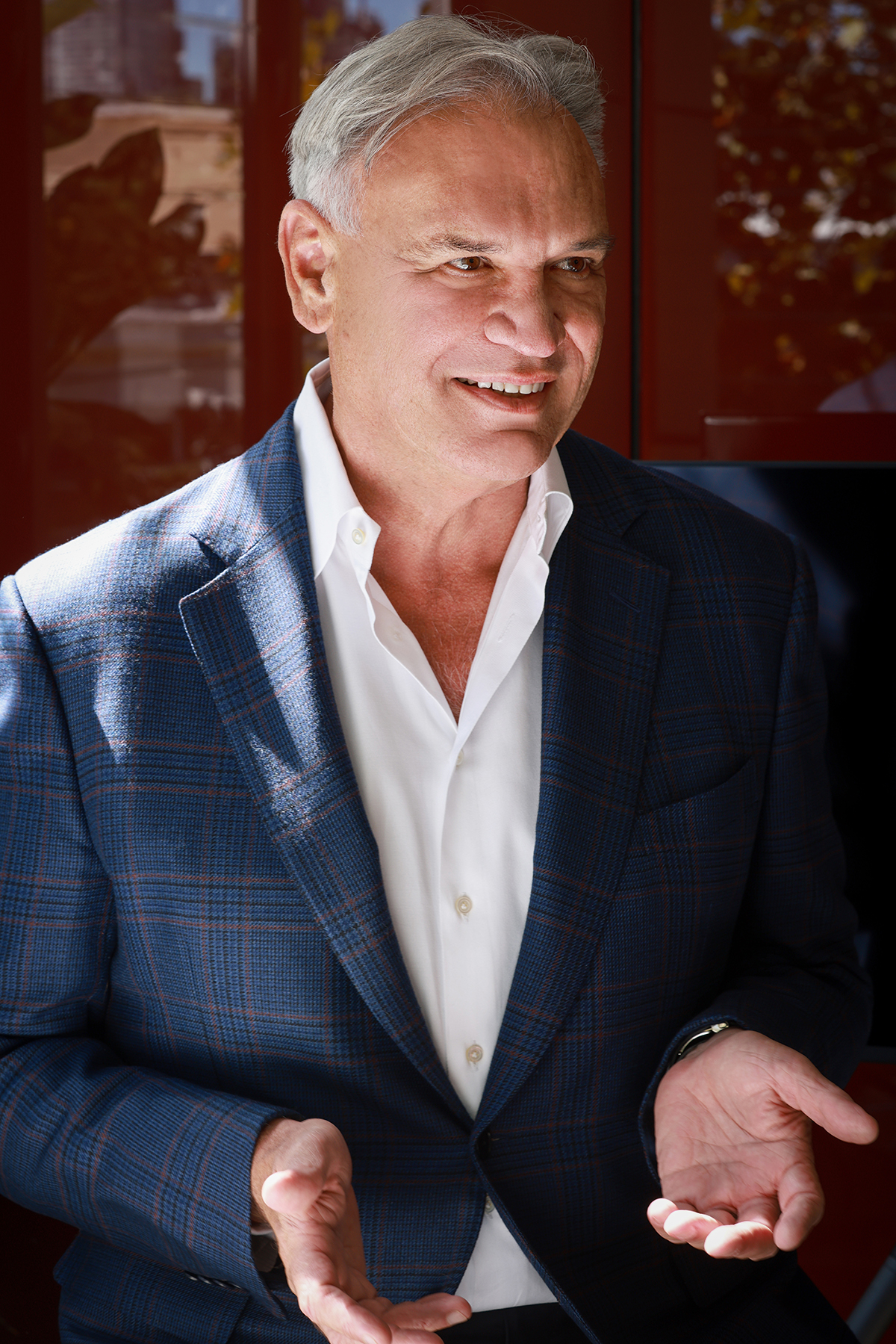
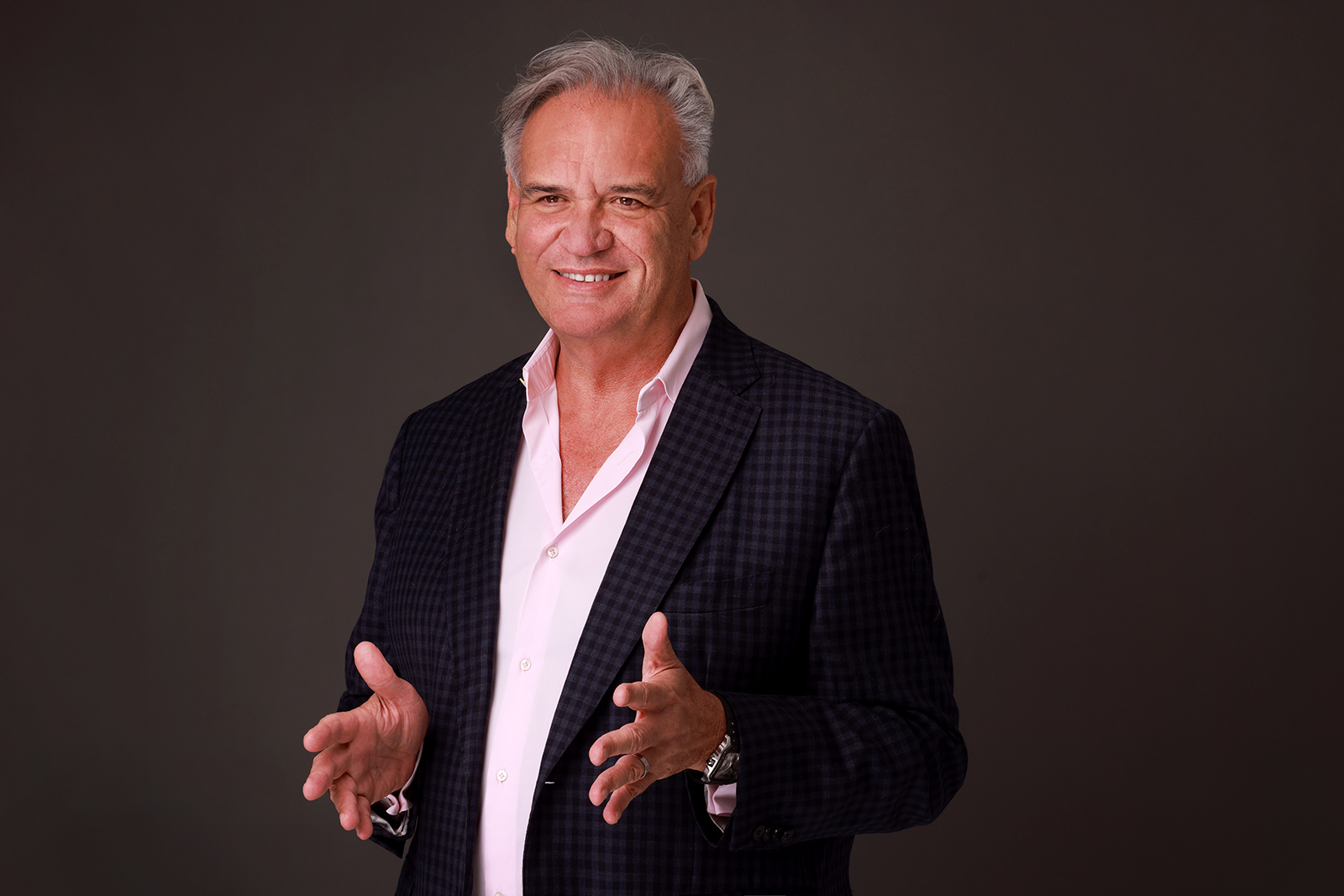
I was admitted as an Australian legal practitioner in 1985 and practised for more than three decades. That legal training shaped how I think about strata governance — the obligations owners and managers owe one another, and where the system tends to fall short of them.
From 2004 to 2014, I was CEO and majority shareholder of eleven strata management companies across New South Wales, Queensland, Victoria, and Western Australia, managing more than 28,000 apartments. Running those businesses at scale showed me, in granular detail, where the profession's structures — training, accountability, standards — simply hadn't caught up with the scale and complexity of the job.
That combination of legal grounding and operational experience is the foundation for everything I've built since.
Turning experience into evidence
Running strata businesses told me what wasn't working. I went back into academia to understand why — and what a genuinely professional model of strata management would need to look like.
- DPhil (Law), University of Oxford. Thesis (commenced 2026): Towering Tragedies: Property Law and Decision-Making in High-Risk Multi-Owned Properties.
- MPhil (Built Environment), UNSW, 2024. Thesis: The Evolution of the Anti-Commons: Exploring the Implications of Stratum Mixed-Use Property on Facilitating Urban Renewal by Collective Sales. Supported by an Australian Research Council-funded scholarship.
- Deakin University PhD program, 2020 (High Distinction entry). Exploring Due Diligence and Gatekeeping Activities in the Strata Environment.
- Bachelor of Laws, QUT, 1985.
I've held research roles at UNSW's City Futures Research Centre and Deakin University's Strata Concepts Seminar Series, where I authored the Building Defects Toolkit. I was an adjunct lecturer at Charles Sturt University in Property Finance and Investing. My research has informed government-commissioned work, including building product transparency and passive fire protection studies for the Victorian Building Authority, and a study on pathways to professionalism for strata managers in Australia — a question I've been asking, in one form or another, for most of my career.
I was a Fellow of the Australian College of Strata Law from 2006 to 2018.
The Method Behind the Work
Everything I've learned — as a lawyer, an owner, and a researcher — is distilled into the Balanced Strata Method™, the framework I have created for managing strata committees that is now used across The Strata Professionals Group nationally.
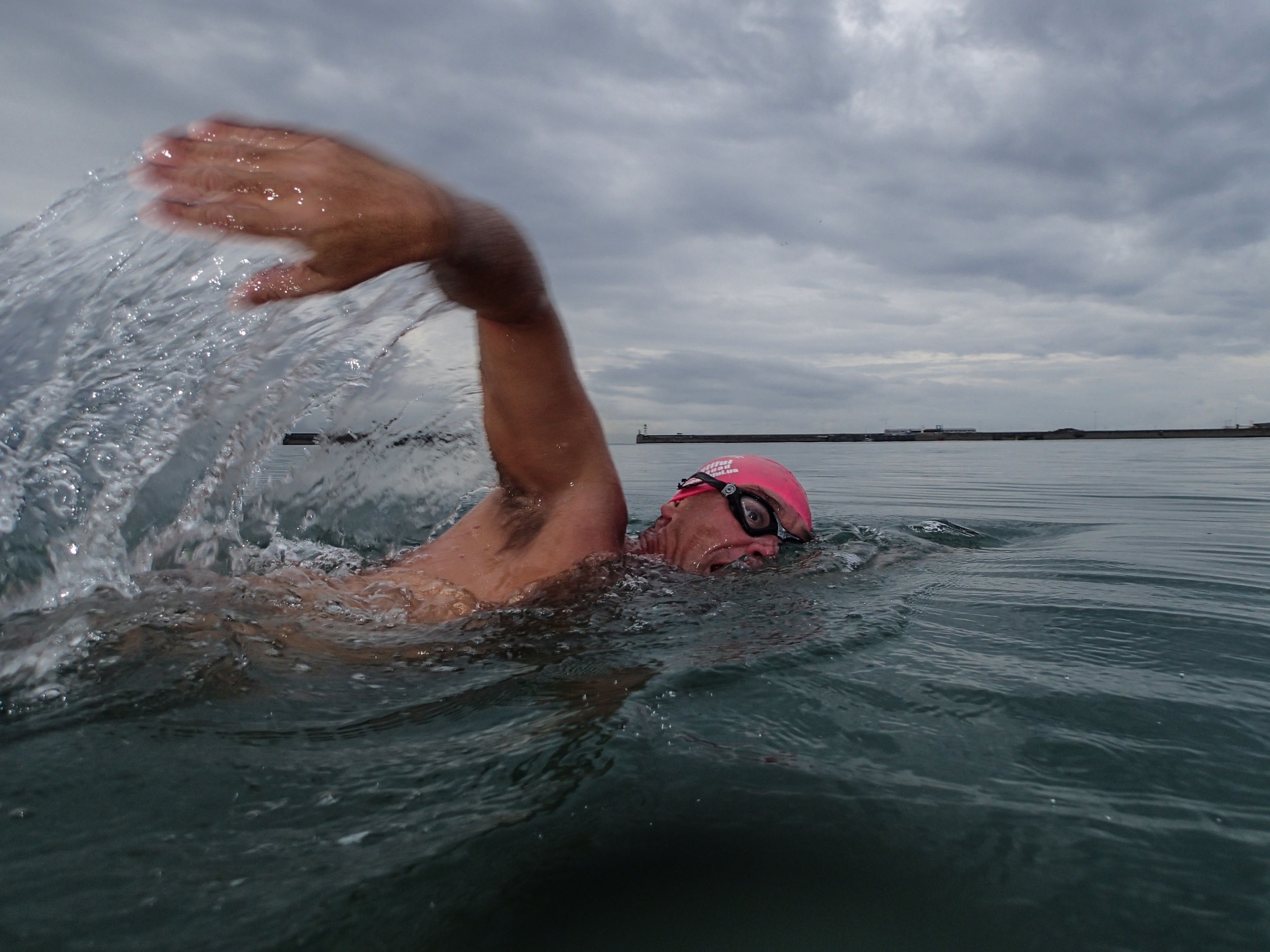
Forty-Five Kilometres Says Something About How I Operate
I've completed the World Triple Crown of Open Water Swimming — among marathon swimming's most demanding challenges. I swam the English Channel in 2014 and the Catalina Channel in 2017. In 2018, at 56, I finished third in the 45.9km 20 Bridges Manhattan Island Swim.
I've crossed the Rottnest Channel twice, completed the Manly to Bondi open water swim, and swum from Palm Beach to Manly. More recently, I have undertaken adventure swims in the Galapagos and the Philippines.
I am a Foundation Director and Secretary of Marathon Swimming Australia, that ratifies marathon swims and promotes open water swimming.
In 2022, I convened a dinner honouring the first ten Australians to swim the English Channel — seven of whom were able to attend. Long, difficult undertakings deserve to have their history remembered, not just their outcomes.
I write The Strata Professional newsletter every week because building a profession requires sustained, public accountability to an idea — not a single campaign.
I run a franchise of national strata businesses, because the standards I write about need to exist somewhere in practice. And I'm completing a doctorate at Oxford because the evidence base this profession needs still has real gaps in it.
None of this is finished. If you want to follow where it's heading — and take part in getting it there — start here.